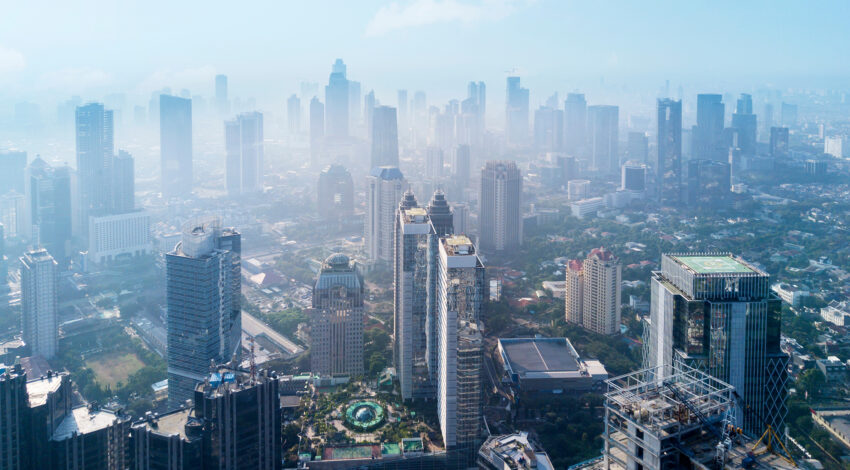
The international system is no longer defined by the dominance of a small number of superpowers, nor by the assumptions of a stable, rules-based global architecture. Instead, power is fragmenting across a wider group of influential states, reshaping how diplomacy, economics, and security operate.
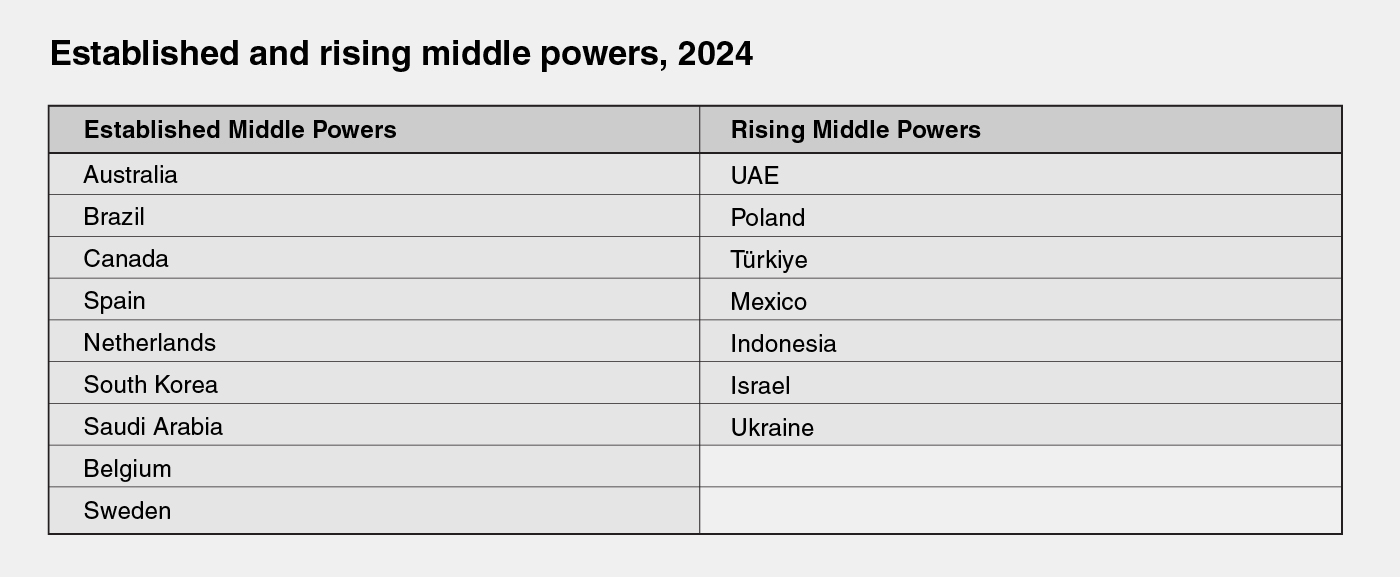
This transformation is the central finding of the Institute for Economics & Peace’s report The Great Fragmentation: The Rise of Middle Powers in a Fractured International Order. Among the countries best positioned to navigate, and shape, this new environment is Indonesia.
The report identifies a fundamental redistribution of global influence over the past two decades. While the United States and China remain the world’s two most powerful nations, their relative influence has plateaued. At the same time, the number of middle power countries has expanded significantly, and their combined economic and material capacity now rivals that of the great powers. These states are not replacing superpowers, but they are increasingly determining how global cooperation, competition, and conflict unfold.
Indonesia exemplifies this shift.
As Southeast Asia’s largest economy and the world’s fourth most populous nation, it occupies a strategic position both geographically and diplomatically. Located along some of the world’s most important maritime trade routes, Indonesia has long been central to regional stability. In a fragmenting global order, that centrality has taken on renewed significance.
Economically, Indonesia has built a broad-based and increasingly resilient foundation. Sustained growth, a large domestic market, and expanding manufacturing and services sectors have elevated its regional influence. At the same time, Indonesia’s control over critical natural resources, particularly nickel, has positioned it as a key player in global supply chains essential to the energy transition. Nickel is a vital component in electric vehicle batteries and renewable energy storage, giving Indonesia leverage well beyond traditional trade relationships.
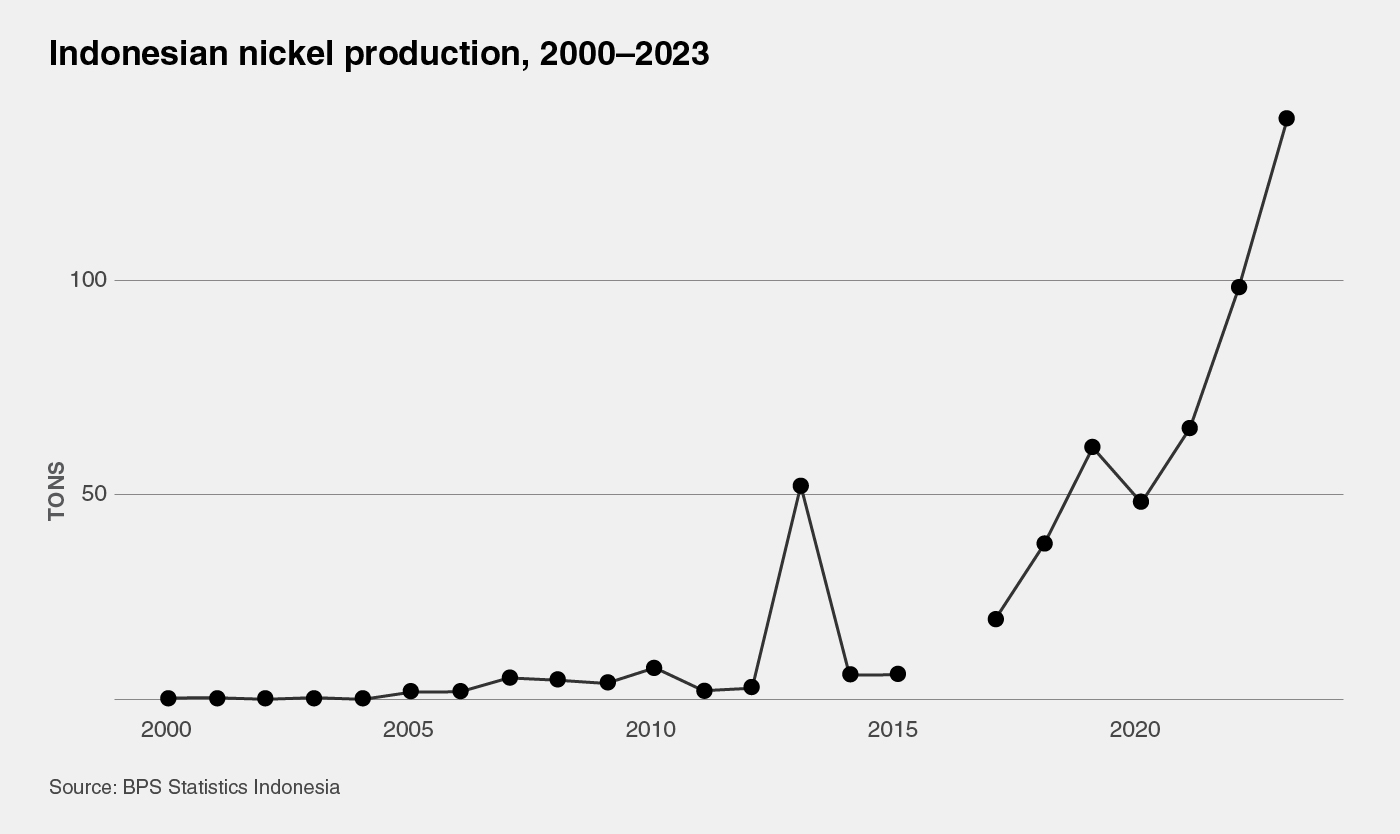
As The Great Fragmentation highlights, influence today is no longer derived solely from military strength, but increasingly from control over strategic resources, production networks, and economic chokepoints. This evolution reflects a wider trend among middle powers. As globalisation becomes more fragmented, countries that sit at the intersection of supply chains, logistics routes, and emerging technologies gain new forms of strategic relevance. Indonesia’s resource endowment, combined with its manufacturing ambitions, has enabled it to exert influence across economic, environmental, and geopolitical domains simultaneously.
Indonesia’s foreign policy approach further reinforces its middle-power identity. Rooted in the long-standing principle of bebas dan aktif –independent and active – the country has consistently sought to avoid alignment with any single great power. Rather than choosing sides in intensifying US-China competition, Indonesia has pursued strategic autonomy, maintaining constructive relations with both while preserving its own policy space.
This balancing act has become more complex as geopolitical rivalry deepens, particularly in the Indo-Pacific. Yet Indonesia has largely resisted pressures to formally align, opting instead for engagement through multilateral and regional institutions. ASEAN remains central to this strategy. Indonesia has long championed ASEAN centrality as a means of preventing regional affairs from being dominated by external powers, and in a fragmented world, this role has only grown more important.
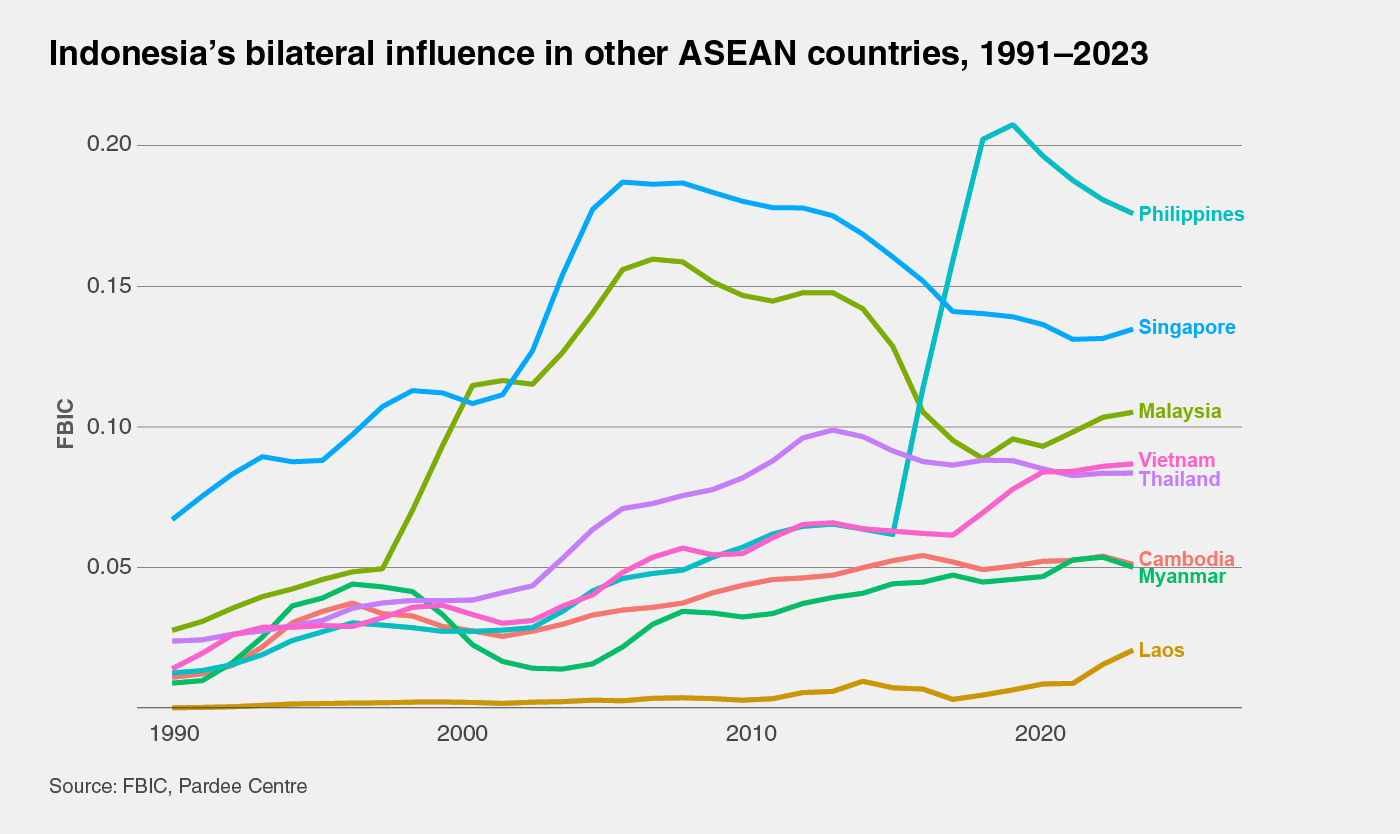
The Great Fragmentation notes that middle powers increasingly shape outcomes through flexible coalitions rather than formal alliances. Indonesia’s diplomacy reflects this pattern. Its engagement spans a wide array of forums, from ASEAN and the G20 to the Non-Aligned Movement and South-South cooperation mechanisms, allowing it to operate across multiple diplomatic networks simultaneously. This networked approach enables influence without dependence, a defining feature of contemporary middle-power behaviour.
Indonesia’s leadership during its G20 presidency in 2022 illustrated this capacity. At a time of heightened geopolitical tension following Russia’s invasion of Ukraine, Jakarta successfully kept the forum functioning, focusing discussions on global economic stability, development finance, and recovery. While not resolving geopolitical divisions, Indonesia demonstrated how middle powers can act as stabilisers within increasingly polarised international institutions.
This role is especially significant given the broader decline in multilateral effectiveness identified in The Great Fragmentation. As global institutions struggle to adapt to shifting power dynamics, governance is increasingly taking place through ad hoc groupings, regional arrangements, and issue-specific coalitions. Middle powers are often the conveners and brokers within these spaces, filling gaps left by superpower rivalry and institutional paralysis.
Security dynamics further illustrate Indonesia’s position within this changing order. Global peacefulness has continued to deteriorate, with rising militarisation, regional conflicts, and great-power competition contributing to instability. In such an environment, middle powers face growing pressure to increase defence capabilities while avoiding escalation or entanglement.
Indonesia has responded by strengthening its defence partnerships across a diverse range of countries without entering binding military alliances. Cooperation with Australia, Japan, South Korea, and the US has expanded, alongside continued engagement with China. This approach reflects a broader middle-power strategy identified by IEP: building resilience through diversification rather than reliance.
Maritime security presents a particular challenge. While Indonesia is not a claimant in the South China Sea disputes, it has overlapping maritime interests that require careful management. Jakarta has consistently emphasised international law, freedom of navigation, and regional dialogue, seeking to prevent competition from escalating into open conflict. In a fragmented global system, where miscalculation risks are rising, this emphasis on restraint and diplomacy plays an important stabilising role.
Domestic conditions also shape Indonesia’s external influence. Middle powers derive much of their credibility from internal stability, governance, and social cohesion. Indonesia’s democratic institutions, large and youthful population, and expanding middle class provide a strong base for long-term influence. At the same time, inequality, infrastructure gaps, and environmental pressures pose ongoing challenges.
The Great Fragmentation underscores the growing importance of internal resilience in an era where external shocks, from economic disruptions to climate impacts, increasingly translate into political instability. For Indonesia, strengthening social cohesion, human development, and institutional effectiveness will be as critical to its international role as diplomatic skill or economic growth.
Indonesia’s position as a bridge between developed and developing economies allows it to shape debates on climate finance, energy transition, and sustainable growth. Its resource base offers leverage in emerging green industries. Its diplomatic networks provide reach across multiple geopolitical spheres. However, fragmented global governance may limit collective responses to transnational challenges. Intensifying great-power rivalry could narrow Indonesia’s strategic space. Domestic vulnerabilities, if left unaddressed, could constrain its ability to project stability abroad.
Indonesia’s experience reinforces The Great Fragmentation’s findings that power is no longer concentrated at the top of the international hierarchy, nor evenly distributed through formal institutions. Instead, it is dispersed across a growing group of capable states whose choices increasingly determine global outcomes.
In this environment, Indonesia is neither a passive bystander nor an aspiring superpower. It is a middle power shaping its own path, leveraging economic capacity, strategic resources, and diplomatic networks to navigate a fractured order. Its trajectory illustrates how influence is increasingly less about domination and more about adaptability, resilience, and the ability to operate across a complex web of relationships.
As global fragmentation deepens, the actions of countries like Indonesia to stabilise regions, bridge divides, and foster cooperation may prove decisive in determining whether the emerging international order becomes one of sustained competition or managed coexistence.
Further reading:

Canadian PM Mark Carney's Davos Speech Aligns with New IEP Report on Middle Power Emergence.
A new report from IEP reveals middle power influence - led by the UAE, Türkiye and Indonesia – is rising, as superpower reach has...
The rise of Middle Powers in a fractured international order
Identifying and measuring the factors that drive peace