Geopolitical fragmentation now exceeds levels since the end of WWII, superpower influence has plateaued since 2015, and the number of middle power nations has nearly doubled from nine in 1991 to 16 today.
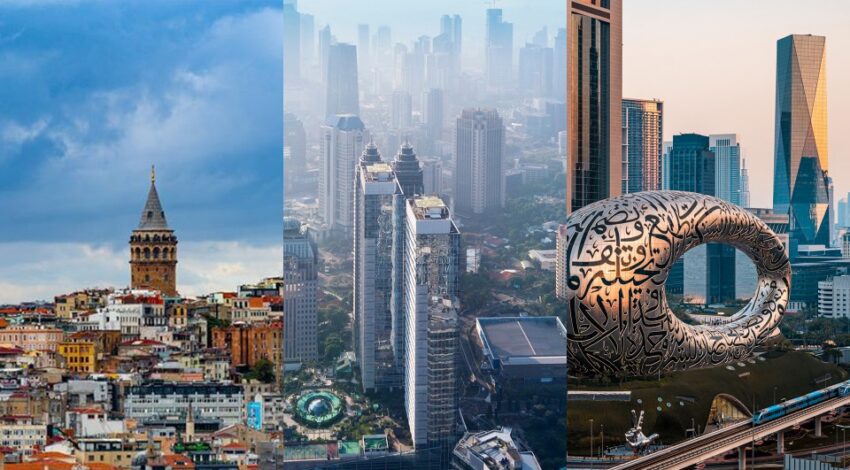
Nations like the United Arab Emirates (UAE), Türkiye and Indonesia are building influence by maintaining relationships with both Washington and Beijing while creating independent capacity for action, especially within their regions and at times in competition with the superpowers. Each are projecting influence in distinct and sometimes complementary ways, and in the process shifting from regional actors to agents of global cooperation.
This structural transformation and redistribution of influence is the basis of new report, The Great Fragmentation: The Rise of Middle Powers in a Fractured International Order. It describes a redistribution of influence as superpowers reach plateaus, great powers decline and middle powers collectively widen their global impact.
At the World Economic Forum’s 56th Annual Meeting in Davos, Canadian Prime Minister Mark Carney’s defining speech reframed where the international community finds itself: as the nexus of global power disperses, countries that once saw themselves as secondary actors now find themselves at the centre of defining diplomacy, economic governance and regional stability. In other words, a warning that middle powers must unify to avoid being sidelined by the ambitions of the superpowers.
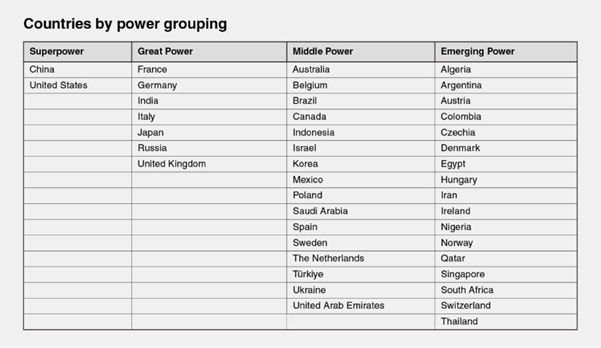
Every great power other than Russia and India now accounts for a smaller percentage of global GDP than at the end of the Cold War. Germany’s share of global GDP has fallen almost 70 per cent from 8.5 per cent in 1995 to 2.6 per cent in 2025, while over the same period, Japan’s share has collapsed 84 per cent from 17.9 per cent to 2.9 per cent.
With the exception of India, great power nations face a horizon of stagnant economic performance, with no European power projected to exceed 2.5 per cent annual growth before the end of the decade and some with high levels of debt.
The UAE’s evolution from a hydrocarbon-based economy to a diversified platform of trade, finance, logistics and energy transition reflects the broader adaptation of middle powers to the pressures of fragmentation. Through forward-leaning investments in ports, transport infrastructure and renewable energy partnerships, the UAE has deepened its integration across Africa, Asia and Europe, not just as an economic hub, but as a convener. This networked influence matters deeply at a time when traditional supply chains are being rerouted and new corridors of connectivity are emerging.
At Davos, discussions captured this shift: middle powers are redefining sovereignty as “resilience, not retreat,” emphasising capacity building and diversified partnerships rather than unilateral dependency. The UAE’s geopolitical footprint is not without controversy. Recent reporting highlights concerns about its assertive foreign policy, including involvement in Yemen and Africa, raising questions about the balance between stabilisation aims and exacerbating conflict dynamics.
Indonesia’s rise reflects how middle powers can translate economic growth into diplomatic leadership. As Southeast Asia’s largest economy and the world’s fourth most populous nation, it occupies a strategic position both geographically and diplomatically. Located along some of the world’s most important maritime trade routes, Indonesia has long been central to regional stability. In a fragmenting global order, that centrality has taken on renewed significance.
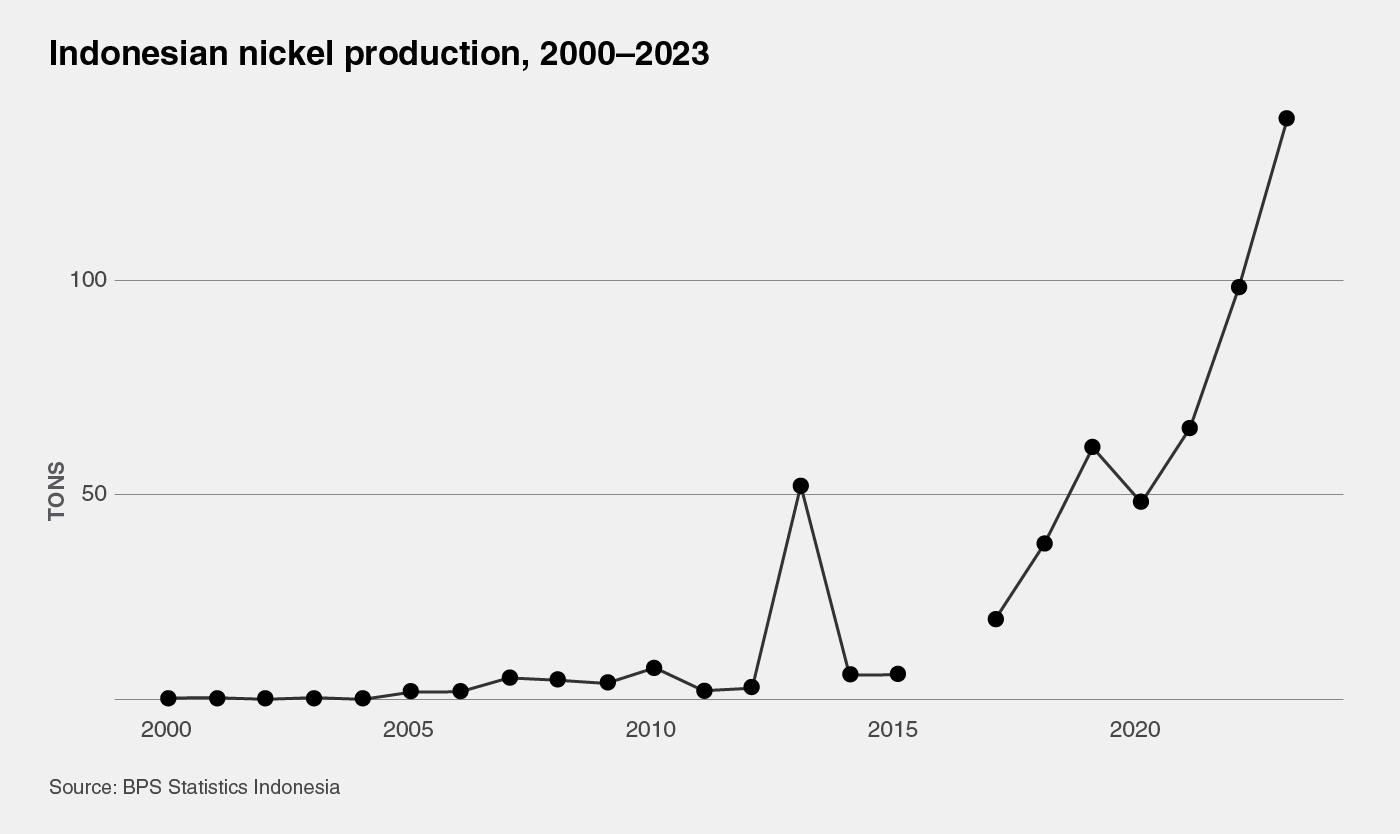
Economically, Indonesia has built a broad-based and increasingly resilient foundation. Sustained growth, a large domestic market, and expanding manufacturing and services sectors have elevated its regional influence. At the same time, Indonesia’s control over critical natural resources, particularly nickel, where it supplies 60 per cent of the world market, has positioned it as a key player in global supply chains essential to the energy transition. Nickel is a vital component in electric vehicle batteries and renewable energy storage, giving Indonesia leverage well beyond traditional trade relationships.
However, recent developments also highlight the challenges that accompany rapid growth. Investors have grown more cautious amid concerns about a weakening rupiah, fiscal pressures and questions around central bank independence. This followed warnings from index provider MSCI about ownership structures and trading transparency in Indonesian equities, underscoring the difficulties facing a market seeking to sustain long-term investor confidence.
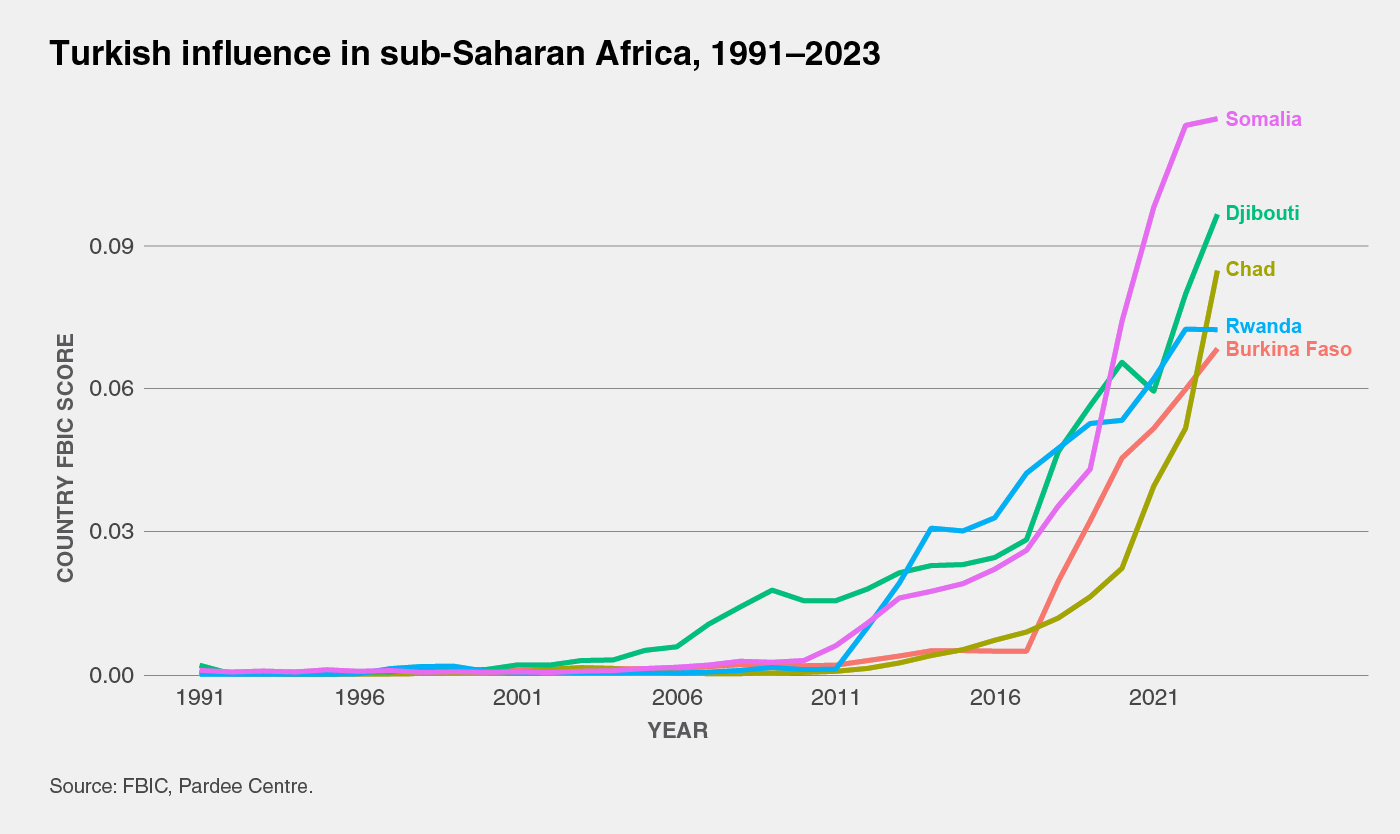
Türkiye’s geopolitical influence stems from its position at the crossroads of Europe, Asia and the Middle East, coupled with a multi-aligned foreign policy that engages partners across competing blocs. Rather than choosing singular alignments, Ankara has pursued autonomy in its diplomatic relationships, engaging NATO partners while maintaining ties with Russia, regional neighbours and emerging economies. It has progressively moved from a neutral defence position to be actively engaged in conflicts near its borders and is one of the world’s leading exporters of advanced drones.
As the global order fragments, Türkiye’s style of engagement – flexible, context-responsive, and rooted in strategic autonomy – illustrates how middle powers can shape regional and even broader outcomes without binary alignment.
While the UAE, Indonesia and Türkiye exemplify rising middle powers, India represents an overlapping case: a nation whose economic, demographic and diplomatic influence continues to expand among the world’s great powers. India is unique among major states in its growth trajectory, distinguishing it from other great powers whose influence has plateaued. India is the only great power whose overall influence continues to expand, at a time when the influence of all other major powers is stagnating or declining.
IEP’s analysis shows that India’s rising share of global GDP, expanding diplomatic footprint and sustained economic growth trajectory place it in a structurally different position from other great powers - and make it the country most likely to attain full superpower status in the next 50 years.
India’s rapid economic rise continues, with growth forecast at 7.3% and GDP expected to exceed $4 trillion this year. Yet recent reporting suggests that progress is uneven. Weak private investment and emerging labour- market pressures, particularly as artificial intelligence reshapes India’s back-office economy, highlight the complexities facing even the fastest-growing major economies.
Fragmentation carries significant risks. Internationalised intrastate conflicts have nearly tripled since 2010, with middle powers increasingly involved as suppliers, mediators, or proxy supporters. This makes conflicts more difficult to stop but also creates opportunities, with middle powers’ ability to maintain dialogue with multiple parties making them more relevant for conflict resolution, as demonstrated by Türkiye’s role in brokering the Black Sea grain deal.
The combined material capacity of middle powers now exceeds that of many great powers, marking a structural rebalancing of international economic competitiveness.

The rise of Middle Powers in a fractured international order
Identifying and measuring the factors that drive peace