Using data from the Global Peace Index and Global Terrorism Index, this country report provides an evidence-based assessment of Venezuela’s peace trajectory beyond immediate events.
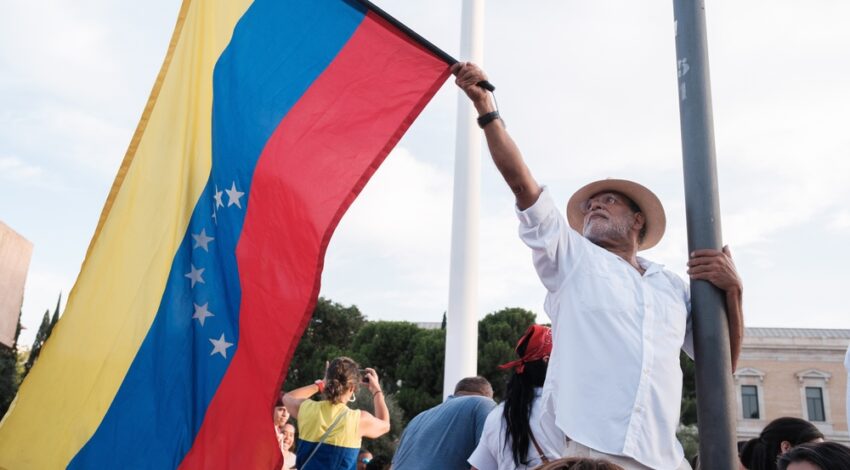
Recent US military intervention has renewed global focus on Venezuela’s security environment, raising questions about stability both within the country and across the region. Using data from the Global Peace Index and Global Terrorism Index, this country report provides an evidence-based assessment of Venezuela’s peace trajectory beyond immediate events.
Venezuela’s performance in the Global Peace Index (GPI) 2025 reflects a prolonged period of internal instability, weak institutional capacity, and elevated levels of societal insecurity.
While the country is not among the world’s most conflict-affected states in terms of active warfare, it continues to rank poorly on indicators linked to internal peace, including perceptions of criminality, political instability, and the functioning of government. The Global Terrorism Index (GTI) 2025 places Venezuela in a lower tier of terrorism impact relative to global hotspots, yet highlights persistent risks associated with organised armed groups and cross-border insecurity.
Taken together, the two indices portray a country facing entrenched structural challenges that undermine peacefulness, even as it remains largely insulated from the high-casualty terrorist violence seen in other regions.
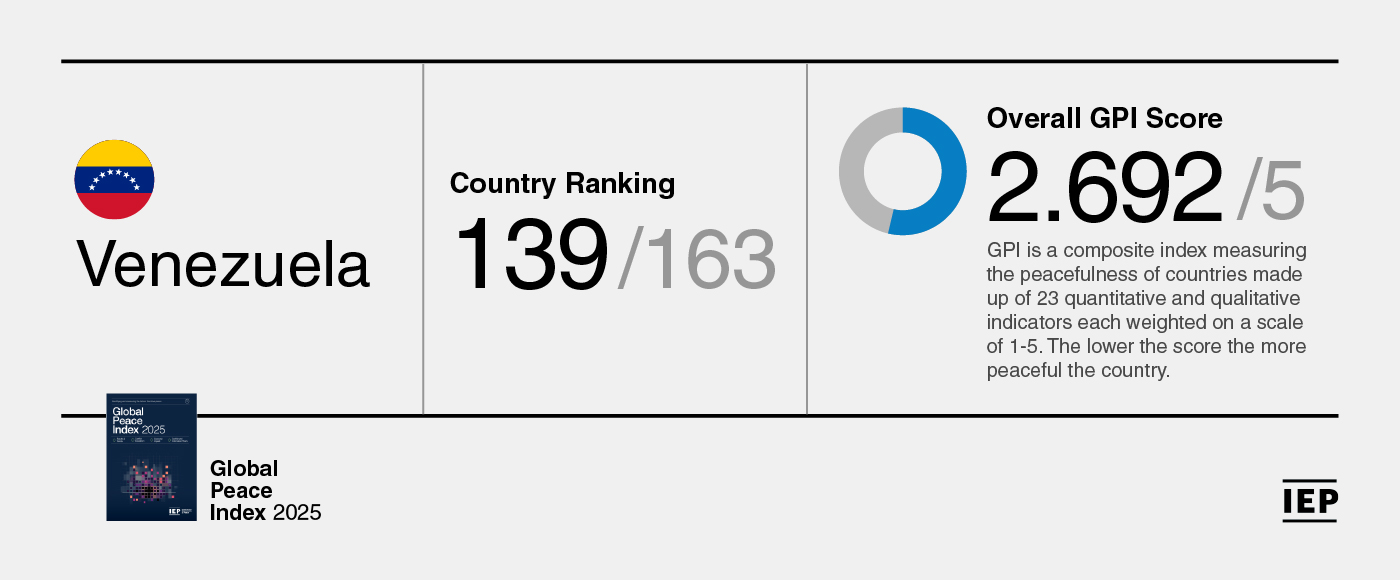
In the GPI 2025, Venezuela is ranked 139, one of the least peaceful countries in the world. Its overall score is driven primarily by poor outcomes in the Societal Safety and Security domain, with additional weaknesses evident in Ongoing Domestic and International Conflict and Militarisation.
One of the most significant contributors to Venezuela’s low ranking is the high level of perceived criminality and insecurity. The index records elevated concern around violent crime, reflecting long-standing issues with organised criminal networks and limited law enforcement effectiveness. These dynamics are closely linked to broader governance challenges, including low trust in institutions and constrained state capacity.
Political instability also weighs heavily on Venezuela’s peacefulness score. The GPI captures this through peace indicators such as political terror, violent demonstrations, and relations with neighbouring countries. While the country has not experienced large-scale civil war, recurring episodes of unrest and coercive political practices have sustained a climate of tension and fear. The persistence of these conditions over time has prevented meaningful improvements in Venezuela’s overall peace trajectory.
In the Ongoing Conflict domain, Venezuela does not register high battle-related deaths compared with countries experiencing active wars. However, the GPI accounts for the intensity and duration of internal conflict, including the presence of armed non-state actors and the legacy effects of protracted instability. These factors continue to suppress the country’s peace score even in the absence of conventional warfare.
Militarisation indicators present a more mixed picture. While Venezuela maintains a visible military presence and elevated military expenditure relative to some peers, militarisation is not the primary driver of its poor ranking. Instead, it is the interaction between weak governance, insecurity, and social fragmentation that most strongly shapes Venezuela’s position in the index.
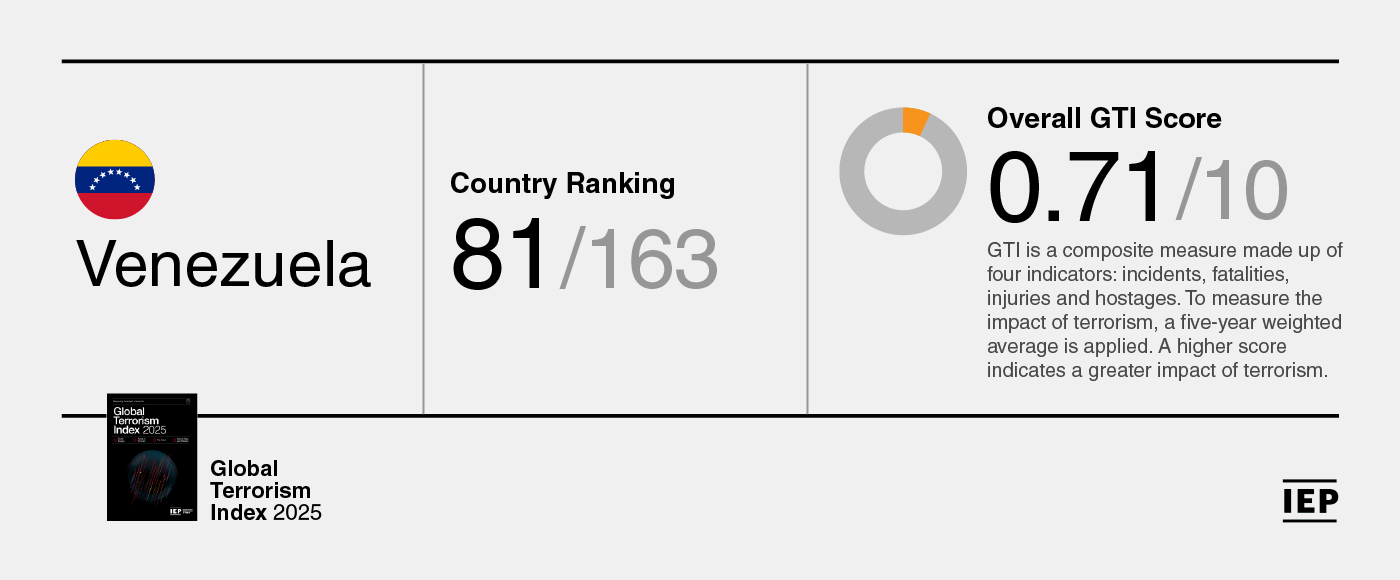
According to the GTI 2025, Venezuela records a low to moderate impact of terrorism when assessed against global patterns. The country does not experience the scale or frequency of terrorist attacks observed in regions such as South Asia, the Middle East, or parts of the Sahel. Terrorism-related deaths and incidents remain relatively limited in absolute terms.
However, the GTI highlights the presence of armed non-state groups operating within and around Venezuela’s borders, some of which engage in activities that blur the line between terrorism and organised crime. These groups are often concentrated in border regions and remote areas where state control is weaker. Their activities include extortion, illicit trafficking, and targeted violence, all of which contribute to localised insecurity even if they do not translate into high national terrorism fatalities.
The GTI also underscores the importance of regional dynamics in shaping Venezuela’s terrorism risk profile. Cross-border movement of armed actors and weapons increases exposure to spillover effects from neighbouring conflicts. While Venezuela has not become a primary theatre for transnational terrorist organisations, these porous security environments elevate long-term risks.
Importantly, the GTI situates terrorism in Venezuela within a broader global trend: in many countries, terrorism is increasingly intertwined with criminal economies rather than ideologically driven mass-casualty attacks. Venezuela exemplifies this pattern, where insecurity is more often experienced through everyday violence and coercion than through spectacular terrorist incidents.
The central theme in Venezuela’s peace profile is one of structural fragility rather than episodic violence. Low levels of peace are sustained by chronic governance weaknesses, social distrust, and insecurity, rather than by ongoing war or high-intensity terrorism.
The GPI shows that once countries fall into a pattern of persistent internal instability, recovery is slow and non-linear. Venezuela’s experience aligns with this global finding. Declines in peacefulness tend to reinforce themselves, as insecurity erodes economic activity, social cohesion, and institutional effectiveness, which in turn further weakens peace.
Venezuela’s relatively low terrorism impact has not translated into higher peacefulness because broader safety and security conditions remain poor. This reinforces a key conclusion of the indices: peace is multidimensional and cannot be achieved through security measures alone.
Within Latin America, Venezuela stands out as one of the lowest-ranking countries in the GPI 2025. The region as a whole faces challenges related to organised crime and inequality, but Venezuela’s combination of political instability and high perceived criminality places it at the more severe end of the spectrum.
Globally, Venezuela reflects a wider pattern identified in the GPI: many of the largest deteriorations in peace over the past decade have occurred in countries experiencing governance breakdown rather than interstate war. Similarly, the GTI highlights that terrorism is increasingly concentrated in fragile states, even if the absolute number of attacks remains limited.
The indices make clear that peace is not merely the absence of terrorism or war, but the presence of strong institutions, social cohesion, and security. Venezuela’s current standing underscores how difficult peace recovery can be once these foundations have been weakened over an extended period.

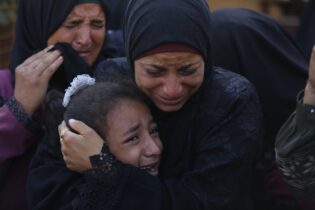
Rising conflict deaths, accelerating geopolitical tensions, and middle power assertiveness are driving ‘The Great Fragmentation’ – a...
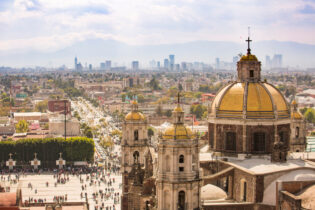
Mexico faces ongoing challenges to peace, largely driven by organised crime and underinvestment in security institutions. The 2025 Mexico Peace Index...
Identifying and measuring the factors that drive peace