
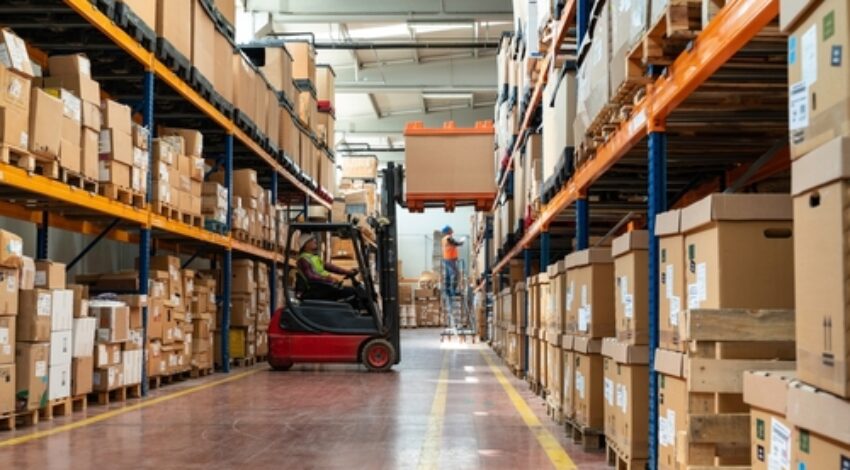
Global supply chains often run through regions where labour exploitation, environmental degradation and weak governance create conditions of structural violence. In such contexts, low wages, unsafe working conditions, and discrimination can perpetuate cycles of poverty and instability. Suppliers operating without ethical oversight may engage in corruption or tolerate human rights abuses, undermining social cohesion and increasing grievances.
Given its vast global value chain, Unilever recognised a responsibility and a business imperative, to address these systemic risks. Transforming its supplier relationships into engines for fairness, transparency and respect for rights became central to preventing exploitation and reinforcing long-term market stability.
Unilever introduced its Responsible Partner Policy (RPP) to set clear, enforceable ethical standards across every stage of its global supply chain. This framework requires suppliers and business partners to comply with obligations covering labour rights, anti-corruption, environmental stewardship, and non-discrimination. The standards are embedded into procurement contracts, with compliance monitored through a combination of self-assessments, third-party audits and whistle-blower systems accessible to workers. Importantly, the policy is integrated into Unilever’s core sourcing strategy and suppliers that fail to meet these requirements risk losing contracts, while those exceeding them may gain preferential business opportunities.
The approach leverages Unilever’s market power to influence thousands of upstream and downstream partners, ensuring that ethical practice is not optional. This is strategic peacebuilding because it directly addresses root causes of exploitation and instability within supply networks while preserving the operational reliability and reputational trust that underpin Unilever’s long-term commercial success.
The Responsible Partner Policy strengthens several Positive Peace pillars.
By linking continued business with these ethical standards, Unilever aligns partner incentives with global norms that protect human dignity, while ensuring that commercial relationships support rather than erode social stability.
The policy creates a reinforcing system where compliance with ethical standards becomes a competitive advantage in Unilever’s value chain. As more suppliers adopt these norms to retain contracts, ethical practices become industry expectations rather than exceptional behaviour. This elevates standards across entire sectors, reducing exploitation and corruption while protecting vulnerable workers.
Over time, this systemic shift increases trust between producers, workers and end-consumers, creating more resilient supply networks that can better withstand disruptions. By embedding human rights and anti-corruption safeguards into the mechanics of trade, Unilever has transformed market access into a driver of systemic fairness and long-term peace.


In Colombia’s conflict-ridden Urabá region, the Peace Community of San José de Apartadó chose non-violence over armed allegiance. Since 2010,...

In an era where disinformation and cyberattacks threaten democratic processes, Google’s Jigsaw unit has launched Project Shield and Prebunking to...
Analysing the factors that sustain peace.
Identifying and measuring the factors that drive peace