The Karamoja Cluster in East Africa faces growing instability as climate change disrupts rainfall patterns. Longer dry seasons and erratic rains are eroding livelihoods, increasing food insecurity, and fuelling pastoral violence across Uganda and Kenya.
In this edition of the Ecological Threat Report 2025, we examine the changing rainfall patterns around the world and their relationships with human wellbeing, conflict, and societal stability.
Across the world, the changing rhythm of rainfall is reshaping livelihoods, ecosystems, and the stability of human societies. While climate change has altered overall rainfall amounts, in many places its greatest impacts have been on the seasonal variability and distribution of rain. Generally, wet seasons are becoming shorter and more intense, while dry seasons are growing longer and drier. These changes have implications for the reliability of rainfall, with sudden changes in the timing, intensity and duration of wet and dry seasons greatly hindering global communities.
IEP finds that changing rainfall seasonality tends not to act as a core driver of conflict, but instead functions as a risk multiplier, shaping livelihoods, food prices, migration and local politics in ways that can either ease or intensify tensions. Amplified rainfall seasonality increases climatic stress, which can in turn exacerbate long-standing competition over shared resources and is associated with higher rates of conflict and related fatalities. As the global population continues to rise, and communities’ exposure to water shocks increases, effective systems for capturing and distributing water are becoming ever more critical.
Nowhere is the lack of irrigation more severe than in sub-Saharan Africa, where only 1.8 per cent of cultivated land is irrigated. As a result, most farmers remain entirely dependent on rainfall. For generations, rural communities have developed intricate knowledge systems around local rainfall regimes to determine when to plant, when to harvest, and when to migrate livestock. Climate change, however, is disrupting these centuries-old patterns.
Across East Africa, steady rainfall is essential for sustaining vegetation health and quality, a key contributor to both pastoral and agricultural livelihoods. Higher vegetation health, measured by the Normalised Difference Vegetation Index (NDVI), provides a clear link between ecological conditions and food security: a 10 per cent increase in NDVI was found to decrease the likelihood of household food insecurity by 12 per cent. Conversely, when rainfall falls below annual averages, the risk of “emergency” food insecurity levels in pastoralist communities rises from 13 per cent to 36 per cent.
Rainfall patterns have also been linked to changes in conflict dynamics. In East Africa, a 0.2-point increase in NDVI was associated with a 12 per cent decline in the likelihood of physical conflict in the following month. Similarly, areas receiving just one additional inch of rainfall experienced an eight per cent reduction in the likelihood of conflict in the following month.
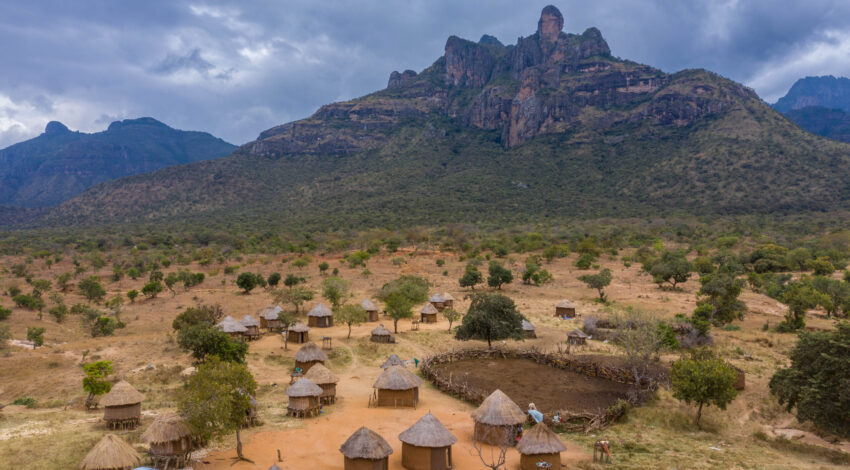
East Africa’s, Karamoja Cluster is a semi-arid cross-border region that is primarily located in north-eastern Uganda and north-western Kenya but also extends into parts of south-eastern South Sudan and southwestern Ethiopia. Home to around 4.5 million people, it features distinct agroecological conditions. While some areas support large-scale agriculture, agropastoralism, a livelihood combining sedentary farming and herding, remains more common.
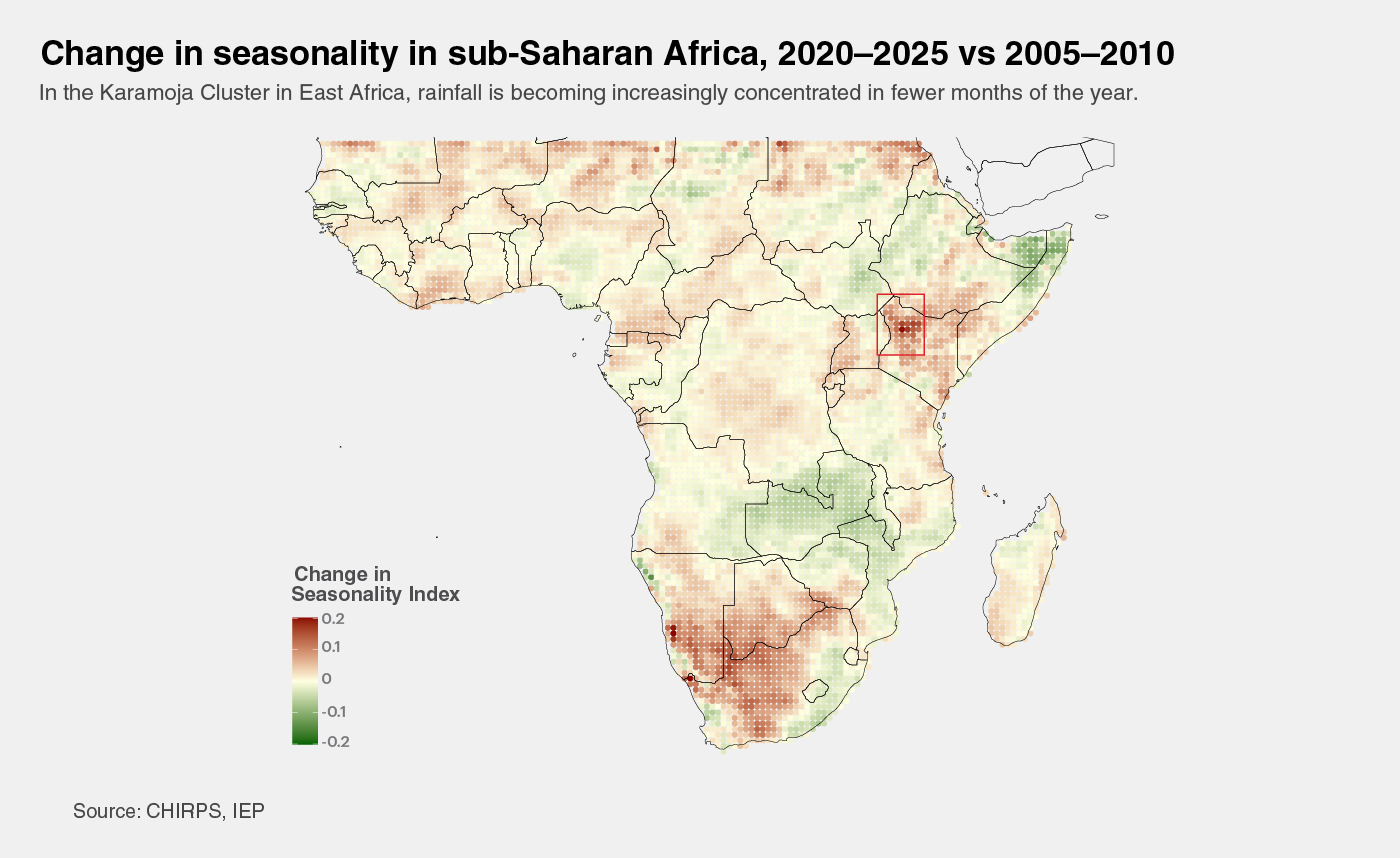
Since 2005, the Karamoja region has experienced the most pronounced increase in rainfall seasonality among non-desert regions of sub-Saharan Africa, as seen in the figure below. While annual rainfall totals have remained relatively stable, rainfall has become more concentrated and erratic, intensifying both drought and flood risks.
For pastoralist populations, these shifts are especially severe, as their incomes depend almost entirely on livestock. Drought conditions have been found to cut livestock values and raise cereal prices across Africa by 4.4 per cent. During the 2017 drought, cattle prices in eastern Africa fell by nearly half, while the value of sheep and goat dropped to one-third of their previous worth.
At the same time, between 2016 and 2020, the poverty rate in Karamoja rose from 60.8 to 65.7 per cent, largely due to eroding livestock-based incomes. Healthy herds typically strengthen the purchasing power of pastoral household and reduce the likelihood of violence when food becomes scarce or unaffordable. Rising costs have deepened the crisis, with studies linking a doubling of food prices to a 13 per cent rise in conflicts within a given market or month.
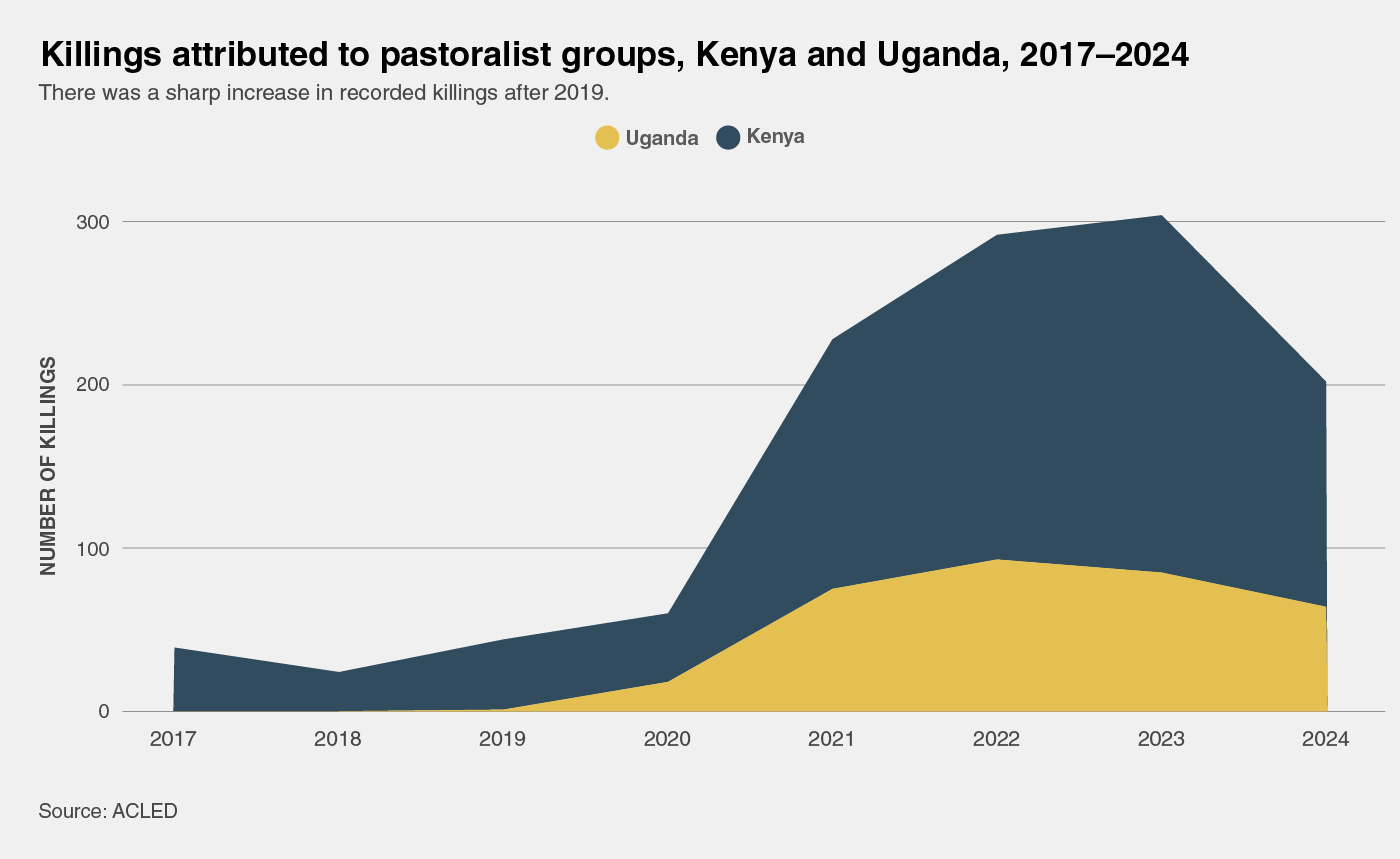
Since 2019, the Karamoja cluster has witnessed a resurgence of pastoral violence. Climatic extremes, including a severe drought in 2017, devastating flooding in 2018, and five consecutive failed rainy seasons between 2020 and 2022, caused significant damages to farms and livestock, greatly undermining regional food systems and agropastoral livelihoods.
In Eastern Africa, the cost of a healthy diet rose by 44 per cent between 2017 and 2024, pushing an additional 57.8 million people into unaffordability. This left nearly 120 million people across the region in acute food insecurity and forced widespread reliance on relief grain. The resulting instability aggravated regional tensions and fuelled conflicts which killed hundreds of people across Uganda and Kenya in the following years, as seen in the following figure.
To mitigate the effects of growing climactic variability and rapid population growth, investments in rural infrastructure is critical. Communities need reliable access to freshwater, agricultural inputs, and arable land. Yet commitments often fail to translate into disbursement. In 2022, nearly US$4 billion was pledged for rural resilience in East Africa, but only US$2.1 billion was delivered. With funding for agricultural development projected to decline further, driven by cuts to United Nations development programs and the closure of USAID, food and water insecurity in Karamoja is likely to intensify.
Sustained underinvestment in irrigation, rural infrastructure, and natural resource management continues to undermine regional adaptation capacity. Without reliable funding and coordination, communities remain exposed to cycles of drought, loss and conflict.

Globally, approximately two-thirds of the Earth’s land surface has become more seasonal over the past two decades, with about 35 per cent showing moderate to severe increases. Since 2018, areas experiencing intensified rainfall seasonality also recorded higher rates of conflict fatalities – up to 4.4 deaths per 100,000 people annually compared to a global average of 2.8.
Changing climate patterns worldwide is expected to place further pressure on limited resources, such as clean water and arable land, particularly in regions lacking adequate support from national governments and non-governmental organisations. Heightened competition for such resources has greatly contributed to this increased potential for conflict.
These findings underscore the growing importance of climate-informed peacebuilding. Strengthening local water governance, improving food systems and expanding adaptive social protection are critical steps toward reducing both ecological and human vulnerability. The Karamoja Cluster stands as a warning and a lesson. Addressing the rainfall-conflict nexus requires not only a humanitarian response but also long-term investments in equitable resource management, early warning systems and regional cooperation, to ensure that environmental change does not translate into enduring insecurity.
— Download the Ecological Threat Report Press Release
— Request a Media Interview
— View the Ecological Threat Report Interactive Map
The Ecological Threat Report 2025 covers 3,125 subnational areas in 172 countries and territories and highlights a growing global crisis as...
The wider Amazon basin has become increasingly vulnerable to prolonged droughts and large-scale wildfires, with 2023 and 2024 marking the hottest...
Analysing ecological threats, resilience & peace.
Analysing ecological threats, resilience & peace.