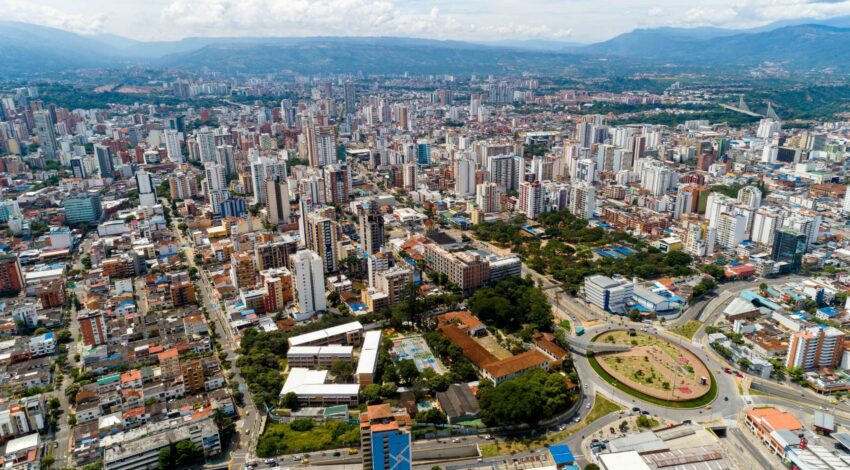
It is in this context that the Football Peace Academy launched its pilot project, Positive Peace Champions, demonstrating that the universal language of sport can serve as a powerful vehicle for youth-led peacebuilding.
Funded by TCF, The Charitable Foundation of Australian philanthropists Steve and Deborah Killelea, and delivered in partnership with local nonprofit Fundación Goles por la Paz, the project combines football with socio-emotional learning to equip young people with the attitudes, skills, and understanding they need to become agents of peace in their own communities.
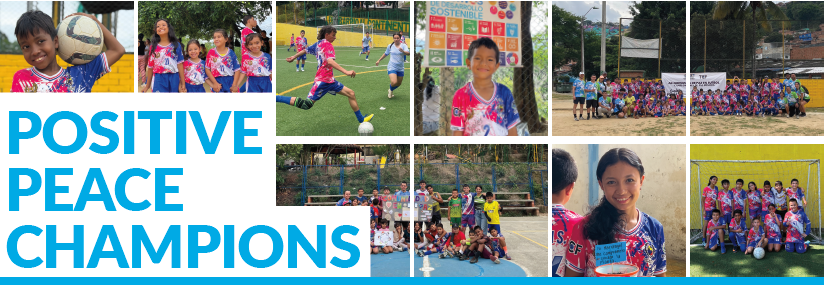
A Learning Journey in Four Quarters
The programme was designed as a progressive learning journey, structured across four quarterly themes that moved participants from personal development to collective action.
In the first quarter, the focus was socio-emotional learning – peace as a lived, relational experience. Weekly age-appropriate psychoeducational workshops, complemented by football training, concentrated on building core competencies: communication, cooperation, conflict resolution, self-awareness, active listening, and emotional regulation. Improvements were observed in behaviour management, peer interaction, and the use of dialogue to solve problems.
The second quarter introduced the eight Pillars of Positive Peace, translating concepts such as equitable distribution of resources, good relations with neighbours, and high levels of human capital into everyday experiences through real-life examples. Participants demonstrated a growing awareness of how peace relates to fairness, cooperation, respect for rights, and community wellbeing.
In the third quarter, the Sustainable Development Goals were localised, framed within broader themes of health, education, equality, sustainability, and environmental awareness. Integrated with football, art and craft, and real-life problem-solving, young people identified strengths in their communities and recognised themselves as active contributors to sustainability and peace.
The final quarter brought the threads together. Participants co-created a peace model rooted in their own lived realities, selecting four pillars and complementary SDGs they identified as most relevant and urgent. The emphasis was on awareness, agency, and collective action – recognising both the challenges and the strengths within their community.
The Numbers Behind the Impact
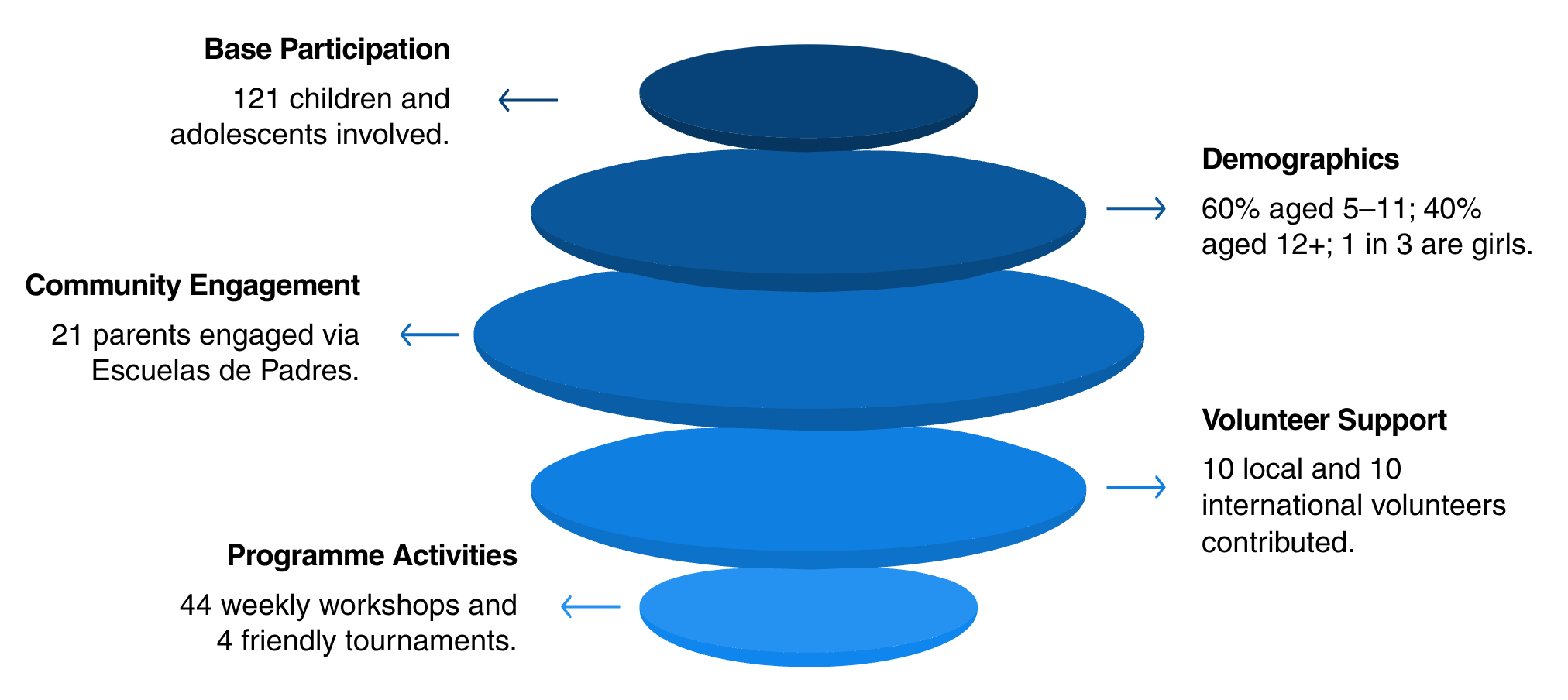
Over the course of the year, 121 children and adolescents participated in the programme, with 60 per cent aged between five and eleven, and 40 per cent aged twelve and above. One in three participants were girls. The project delivered 44 weekly workshops on positive peace and sustainable development, hosted and participated in four friendly tournaments, and engaged 21 parents and caregivers through Escuelas de Padres sessions. Ten local volunteers completed practice in sports education, psychology, and international cooperation, while ten international volunteers contributed to the project.
A Holistic Approach
The programme’s inclusion of families reflects the recognition that children growing up in contexts of high socioeconomic vulnerability are exposed to multiple, intersecting risk factors. In early and middle childhood, violent behaviours are often reinforced through observational learning, particularly within the family environment.
The Escuela de Padres sessions were designed to foster positive parenting and actively involve caregivers in the transformative processes promoted by the project. These sessions also provided a space for adults to strengthen collectiveness and community resilience, encouraging reflection on how isolation can deepen vulnerability and highlighting the importance of mutual support in confronting injustice.
As one programme coordinator reflected: “At times, the topic of peace felt repetitive or abstract for children. But over time, it clearly left an impact. They began to understand peace not as the absence of violence, but as a strategy to achieve their goals.”
Looking Ahead
The co-creation of the peace model with youth provided crucial insights and priority areas for the next phases of the project. These include issuing certificates acknowledging participants’ commitment and contribution as peacebuilders, a focus on employability and entrepreneurial skills to create and advance youth-led social enterprises, revamping the community kitchen to address challenges related to healthy eating and food safety, and establishing a homework club to offer academic support and leadership development through peer support.
At the institutional level, Fundación Goles por la Paz will explore possibilities for collaboration with other organisations and agencies at policy-making level to amplify local and youth voices, and will systematise tools, methodologies, and evaluation frameworks to enable replication in other locations across the region.
As one team member noted: “Working on a project with an international lens pushed us as an organisation to grow. It required a higher level of planning, coordination, and reflection, strengthening our internal processes and professional practice.”
From Pilot to Framework
The Positive Peace Champions pilot offers a proof of concept for community-based peacebuilding that is grounded in research, responsive to local context, and driven by the people it seeks to serve. By combining the Institute for Economics & Peace’ Positive Peace framework with the accessible, engaging medium of football, the programme demonstrates that the attitudes, institutions, and structures underpinning peaceful societies can be cultivated from the ground up – starting with the youngest members of a community.
The 2025 Global Peace Index recorded the thirteenth deterioration in global peacefulness in seventeen years. The macro trend is clear, but so is its proposition; sustainable peace is not built through data alone. It is built through the accumulation of local, participatory processes that reshape how communities understand and practise coexistence. In Olas II, that process starts on a football pitch – where children who once saw peace as an abstraction now treat it as a strategy, and where the next phase of the programme will continue to translate into lasting structural change.
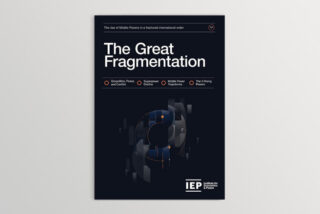
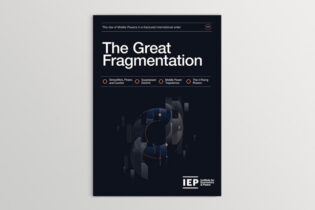
A new report from IEP reveals middle power influence - led by the UAE, Türkiye and Indonesia – is rising, as superpower reach has...
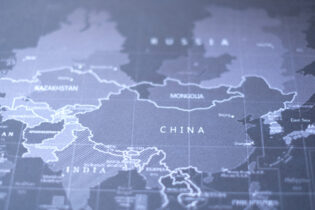
Middle power countries such as Indonesia and Saudi Arabia are navigating the competing pulls of super-power rivalry, while pursuing both their own...
The rise of Middle Powers in a fractured international order
Identifying and measuring the factors that drive peace