Supported by Multicultural NSW, and founded by the inspirational Mayor Chagai, the Savannah Pride Basketball Club is helping provide leadership, discipline and education for young people from diverse backgrounds.
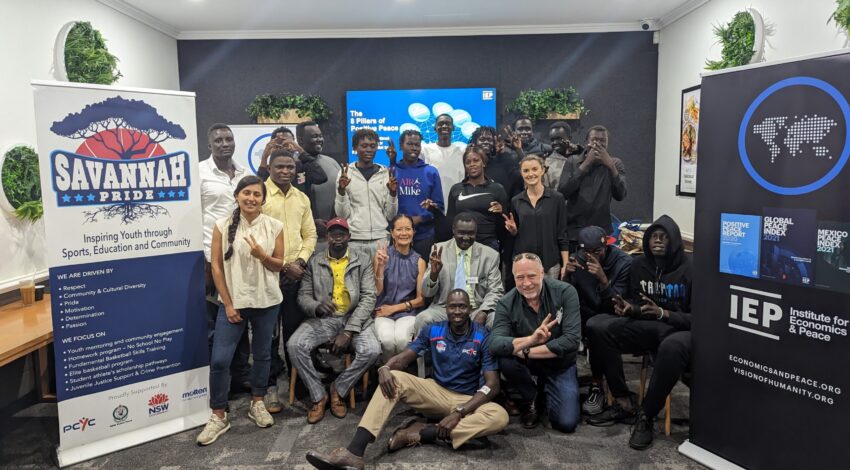
IEP: Mayor, you’ve become such a well-known figure in Western Sydney, not just as a basketball coach, but as a mentor and community leader. For people who don’t know your story, could you start by telling us a little about your background?
Mayor Chagai: Thank you. My story starts in South Sudan. I came to Australia when I was young, and like many new arrivals, we faced challenges: language, culture, understanding how society works here. Sport, especially basketball, became the bridge for me. It gave me community, belonging, purpose.
IEP: And eventually Savannah Pride was born out of that?
Mayor Chagai: Yes. I’d see young people who were talented but drifting – no support, no structure. Savannah Pride began as a safe place, a positive environment. Basketball is the hook, but the goal is bigger: leadership, discipline, education. We teach the whole person, not just the sport.
Question: People say you’re more than a coach to many of the young basketballers, more like a father figure.
Mayor Chagai: (laughs) Maybe. I care for them. Some of these boys and girls come from difficult situations. If they trust you, you can guide them. It’s about love, respect, and consistency. If you show up every day, they learn to show up too.
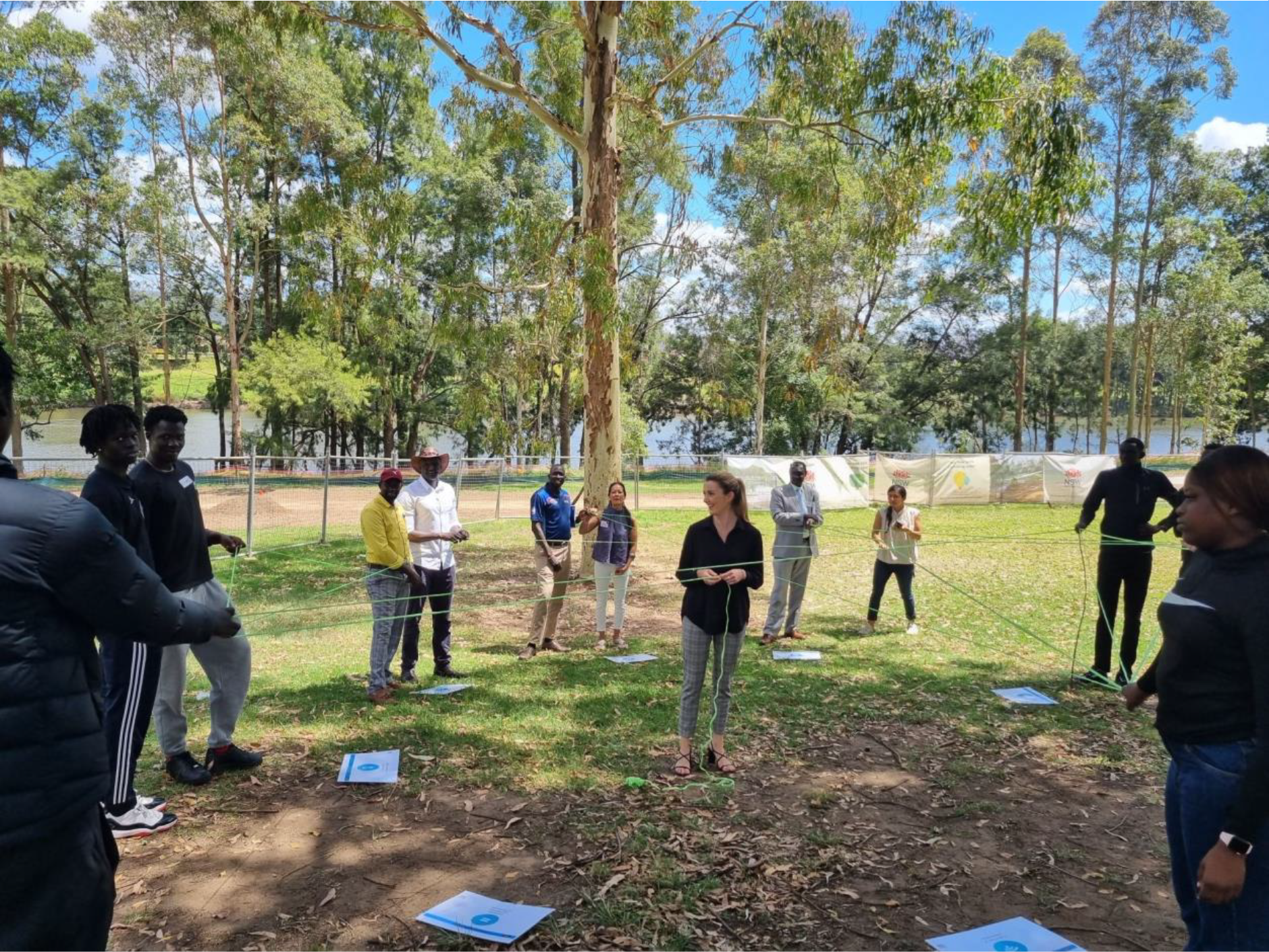
IEP: What challenges do young African-Australian kids face that maybe the rest of the community isn’t always aware of?
Mayor Chagai: Number one is identity. They are African, but they’re also Australian. Sometimes they feel pressure from both sides – expectations from home, and misunderstandings from society. There is also discrimination, being judged before being known. It creates frustration. But when you give them opportunity, real opportunity, they shine. They just need someone to believe in them.
IEP: You’ve had incredible success with your players, with some moving into representative leagues, coaching roles, university pathways. What’s the secret?
Mayor Chagai: Consistency. We train early mornings, late nights. We push them to set goals beyond basketball – school, work, character. If someone misbehaves, we deal with it with love and honesty. We tell them: you are capable, but you must take responsibility for your choices.
IEP: You also engage with parents and the wider community?
Mayor Chagai: Yes. Parents must be part of the journey. Many parents came from war, displacement. They carry trauma. Sometimes they need support too. We run family events, workshops. It helps everyone feel connected.
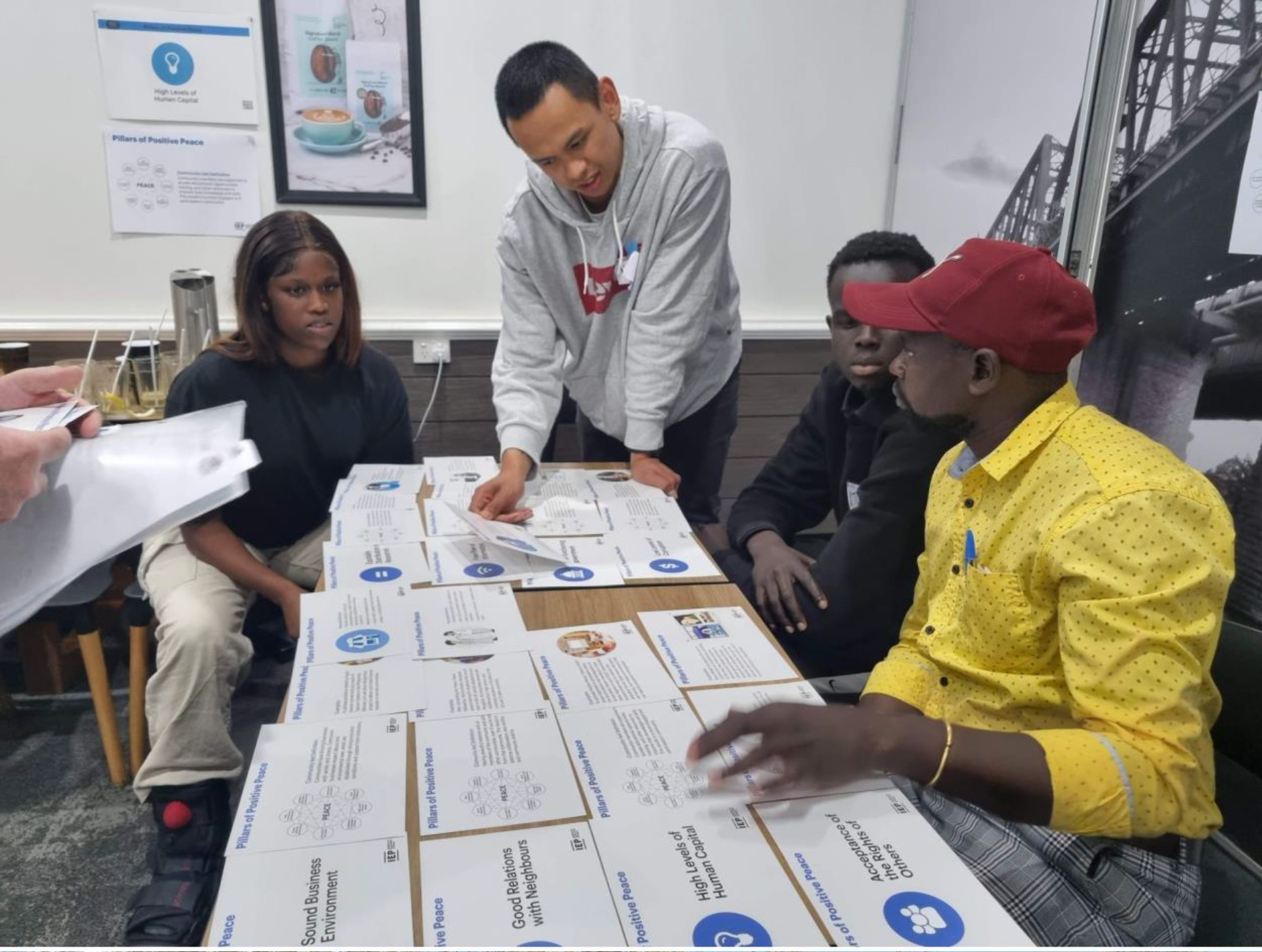
IEP: You’ve incorporated Positive Peace training – how has that worked out?
Mayor Chagai: Some of our young people had an idea of a Sudanese youth ambassadors program, but needed the structured training to understand how they could play a role. Young people don’t think they have the experience to run workshops and mentor each other, but the IEP training gave them the confidence to trust their leadership among their peers. So within the Positive Peace 8 Pillars concept, the 17 and 18-year-olds that were part of the peacebuilding training came up with an initiative, Beyond The Game. They collaborated, and each and every one of them contributed on how to share their experience through sport, and also share an understanding of their parents’ concerns in a new country. They came up with a life skills workshop, incorporated into a homework program, twice a week, every week. It was a program run by these older teenagers to mentor 12-13 year olds, to share experiences, life purpose, why they need to learn skills away from the game of basketball, and what are the challenges, such as how to use technology wisely, and how to spend time in an organised way via time management. Understanding why they are part of something Beyond The Game.
We believe we can train and upskill more young people, and expanding it so that others also take up the role of leadership in a natural way, with the help of consultation with, and getting cultural experience from, the elders as backup mentors, to then become mentors to 12-13 year olds. The 17-18 year olds have a strong relatability to the younger people about games and technology, and even share a laugh about the elders’ old school knowledge. So they came up with the initiative name, and have a very good understanding for leading each other.
These young mentors also have been trained in mental health awareness, so they accept that mental health is a reality, and what the factors are such as fatigue, stress, problems at home, things that lead to the breakdown of mental health in young people. They have been able to incorporate this into their training, so the younger people they are mentoring have someone to talk to when they experience some confusion in this area.
This mentorship program came directly out of the IEP peace initiative.
IEP: What keeps you motivated? You’ve been doing this for two decades now.
Mayor Chagai: When I see a young person come in lost, and over time they grow. Confidence, leadership, purpose – that is everything. When one succeeds, it lifts the whole community.
IEP: If you could send a message to government or decision-makers about supporting communities like yours, what would it be?
Mayor Chagai: Invest early. Support local organisations who understand their communities. Don’t just come in with big programs and leave. Work with us. Long-term relationships make long-term change.
IEP: And to the young people listening?
Mayor Chagai: Believe in yourself. Don’t let anyone tell you what you can’t do. Find good mentors. Stay disciplined. And always give back.