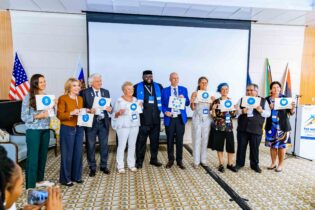
After Sierra Leone’s civil war, rebuilding trust and connectivity was vital for peace. In 2003, Celtel and Search for Common Ground partnered to bring mobile coverage to conflict-affected regions, combining telecom infrastructure with community dialogue.

In 2002, Sierra Leone emerged from an 11-year civil war marked by extreme violence, deep social divisions and the collapse of basic infrastructure. Years of armed conflict had severed communication between regions, isolating communities and mistrust. The war’s end presented a fragile peace that required urgent rebuilding of both physical and social connective tissue. In this context, the ability for citizens across the country to communicate safely and affordably was not just a commercial need, but a peacebuilding imperative. Mobile connectivity could bridge divisions, support reconciliation and lay the groundwork for renewed social trust and national recovery.
In 2003, Celtel, a mobile telecommunications provider, partnered with the NGO Search for Common Ground (SFCG) to extend mobile phone coverage into conflict-affected and previously unserved areas of Sierra Leone. The partnership brought the first mobile access to northern towns such as Makeni, Mile 91 and the diamond-mining hub of Kono; regions that had been communication blackouts during the war.
Leveraging its core telecom business, Celtel built infrastructure including transmission towers and network exchanges, enabling reliable, real-time connectivity. SFCG complemented this by running community dialogues and radio programming to ensure the new communication channels were used for reconciliation and peaceful problem solving.
This was a strategic business-peacebuilding partnership, and by opening new markets for mobile services, Celtel expanded its customer base while also addressing a core driver of past conflict – the lack of communication and trust between regions. The integration of commercial expansion with structured NGO-led dialogue differentiated it from charity.
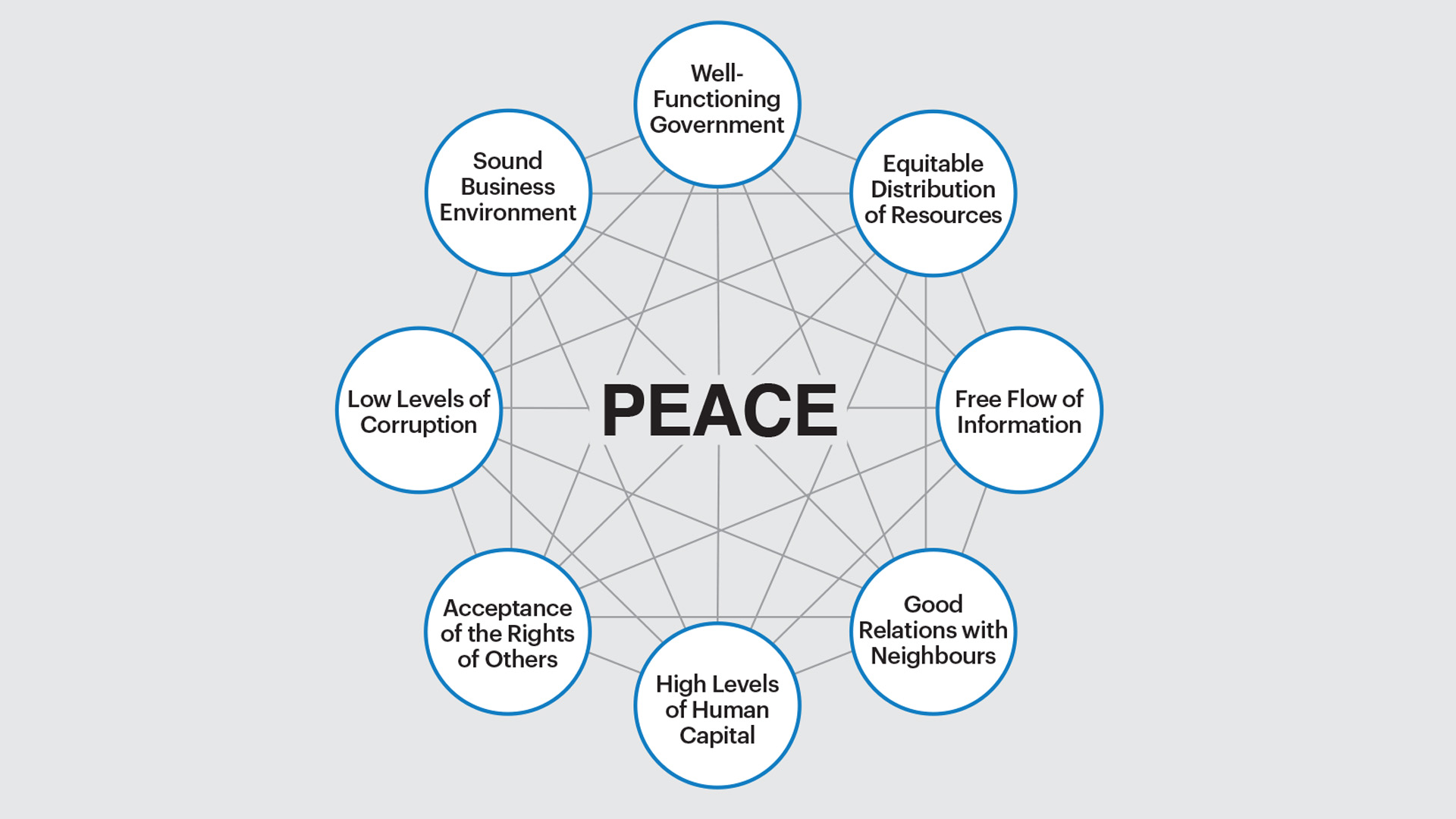
Celtel’s initiative directly promoted three pillars of Positive Peace.
The rollout of mobile coverage created a self-reinforcing system of trust, communication and economic viability. As people used phones to connect across former conflict lines, social cohesion improved, supporting a safer environment for trade, travel and investment.
Businesses and markets expanded into new areas, further increasing demand for mobile services, which funded continued maintenance and expansion of the network. The ease of communication also enabled faster conflict resolution at the community level, reducing the risk of small disputes escalating. In the long run, this infrastructure became both a symbol and a functional enabler of Sierra Leone’s post-war stability.

Analysing the factors that sustain peace.
Identifying and measuring the factors that drive peace